Bildlabor Kleistpark
2022-2027
To realize the vision of an experimental and participatory art discourse, a new exhibition venue is being created in Berlin-Schöneberg. At the Bildlabor Kleistpark, exhibitions will be expanded, altered, or newly curated together with visitors. The knowledge archive, conceived as a visible storage space, primarily houses works on paper from the 15th century to the present. The new building’s program is complemented by a café, studios, and spaces for art-related businesses as well as housing, creating an inviting and vibrant place for urban culture and creative exchange.
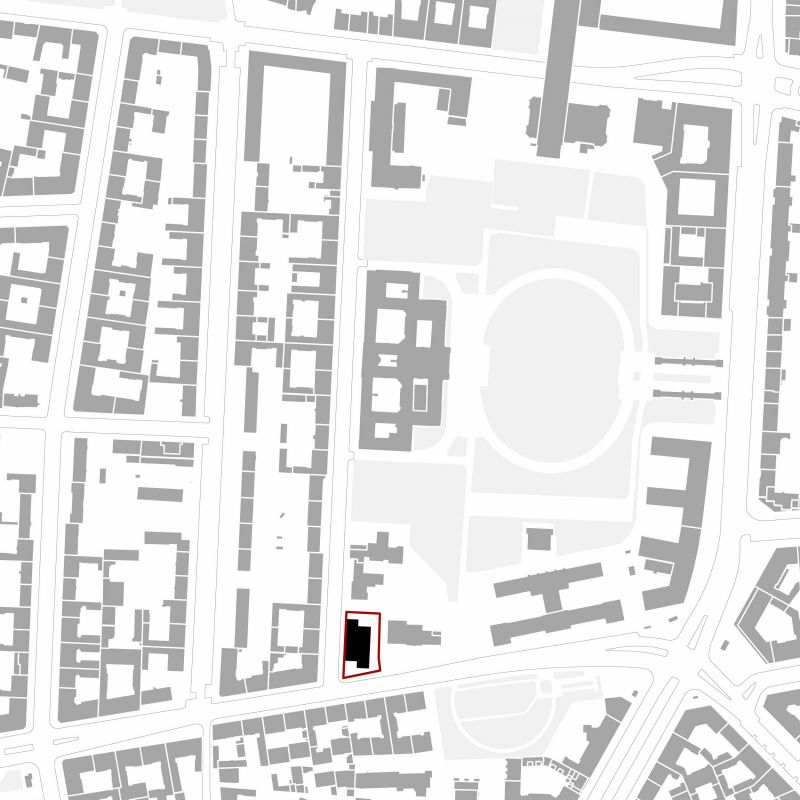
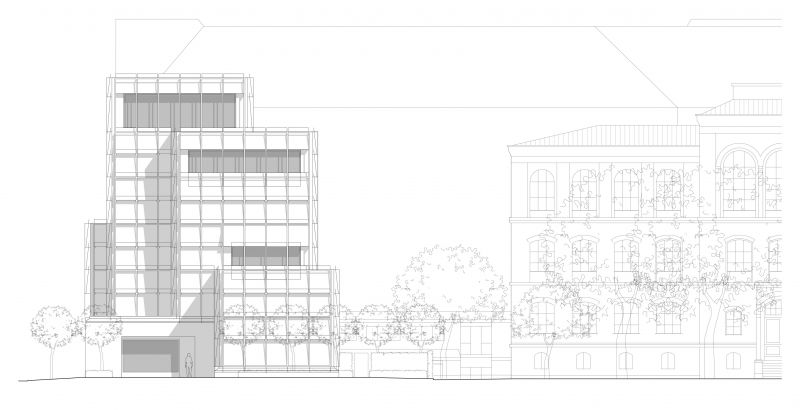
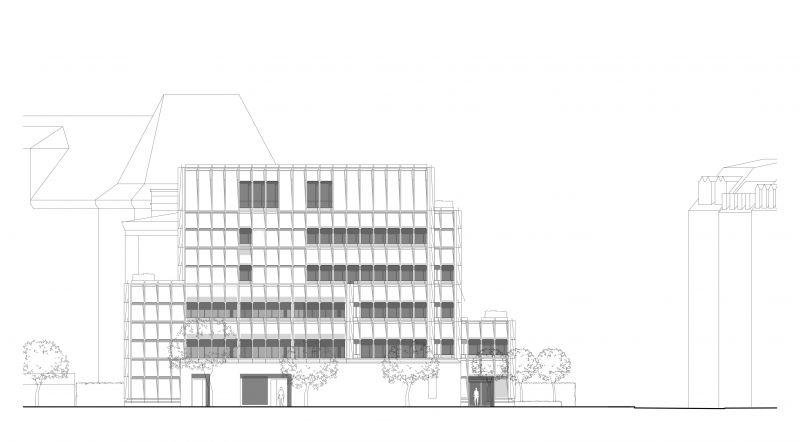
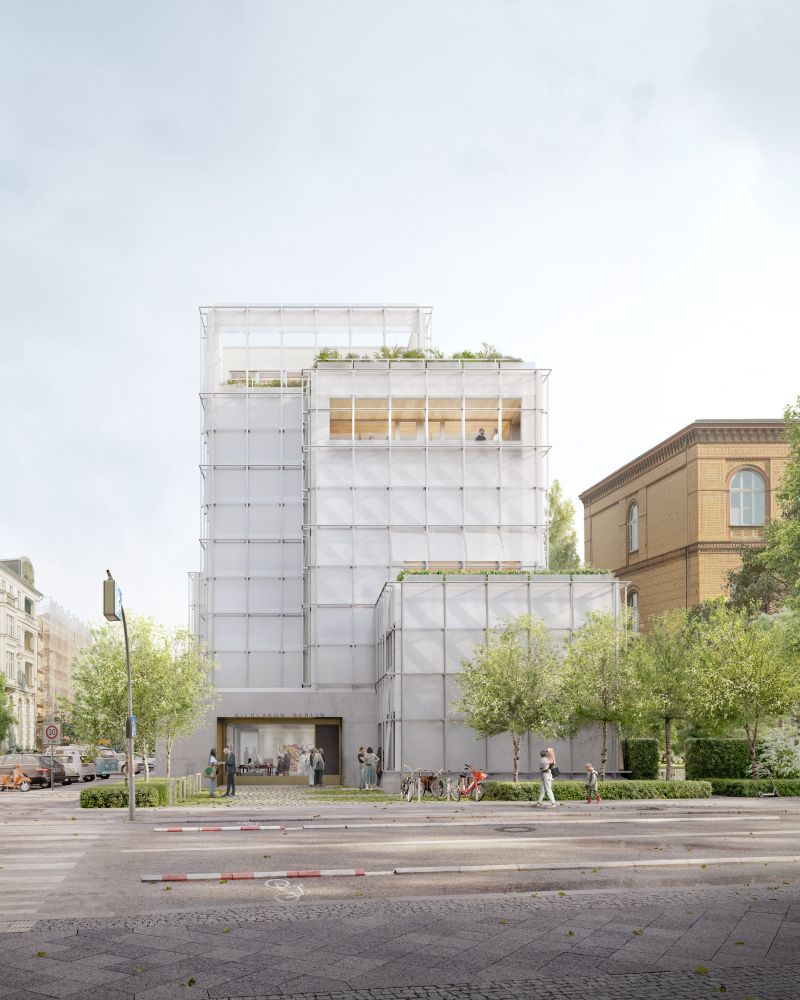
The image laboratory is being built on a small, previously undeveloped corner site that marks the transition from a closed perimeter block development to large, listed representative buildings at the edges of Kleistpark. In this heterogeneous urban landscape, the composition of interlocking volumes of different proportions creates a sculptural quality and a powerful expression for the building. At the same time, the staggered setbacks support its integration into the urban context. The different building heights and widths of the listed neighboring structures are taken up, and the sightlines to the adjacent Haus am Kleistpark – the former botanical museum – are carefully considered.
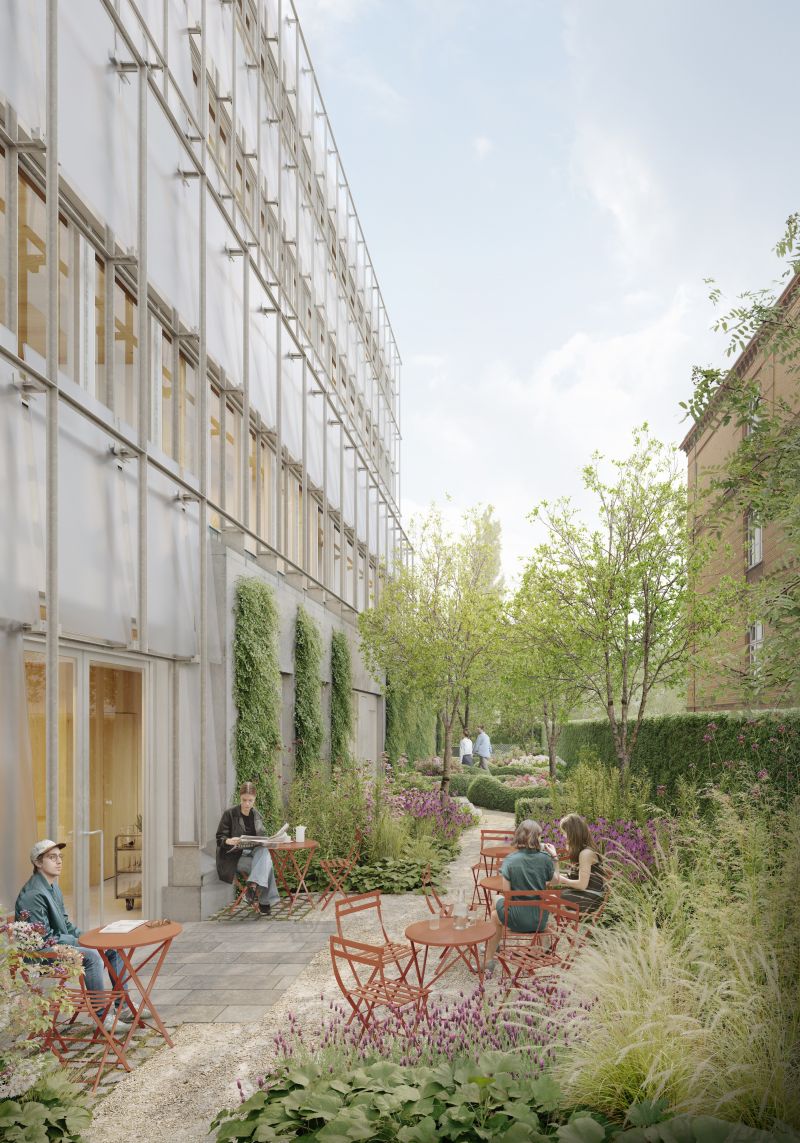
Through the design of the urban figure, a forecourt is created. It provides a clear address and anchors the collection as the first exhibition venue within the urban space. A large display window creates a visual and programmatic connection between this forecourt and the foyer on the ground floor.
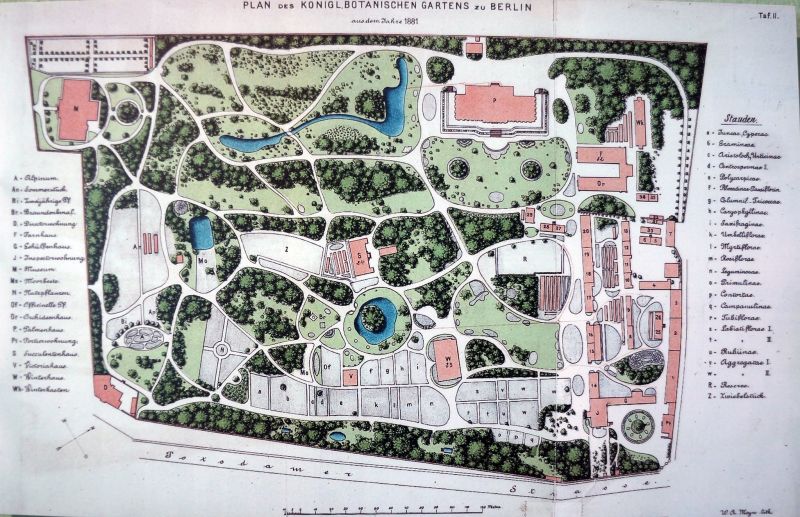
The counterpart to the urban square is the Secret Garden, a sunken courtyard at the rear of the site. As a contemplative retreat, it offers an outdoor reference for the exhibition halls and the library located in the building’s basement. The urban square and the Secret Garden are complemented by a sequence of adjoining garden chambers, whose intimate atmosphere accommodates the café’s outdoor seating. Their varied design references the site’s former use as a royal herb garden.
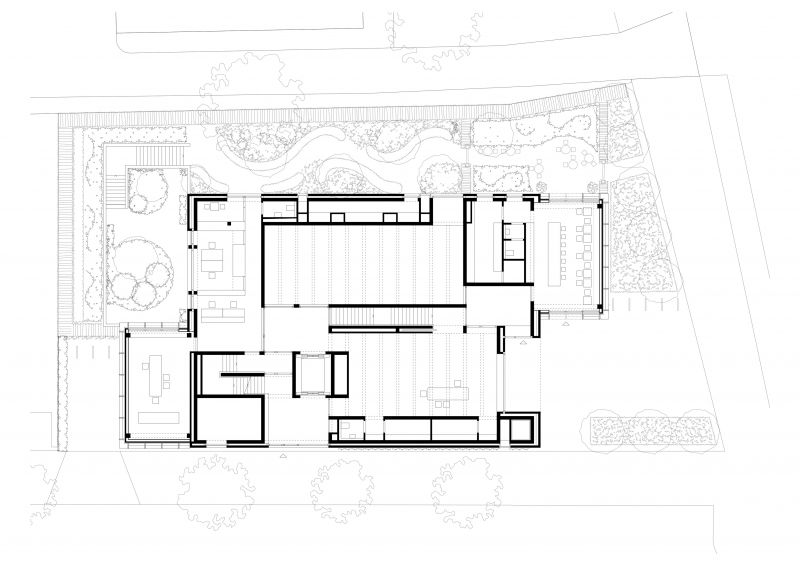
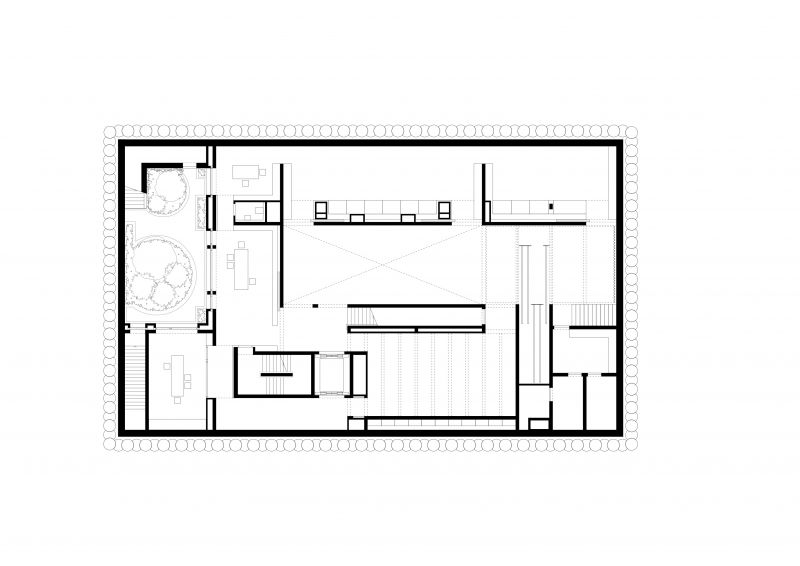
At the heart of the collection is the double-height hall, which links the exhibition spaces on the ground floor with those in the basement and connects the forecourt visually and conceptually with the Secret Garden. In the basement, additional exhibition rooms of varying proportions and atmospheres are arranged around this hall. This allows for changing spatial sequences that offer users flexible possibilities for staging exhibitions and provide visitors with ever new ways of experiencing art.
Structural built-ins, including integrated storage and plan cabinets, make it possible to implement the curatorial concept of an open-study depot. Carefully planned sightlines encourage the intended interaction among visitors, offering views through and out into the surrounding urban space, simplifying orientation, and enhancing the quality of stay within the collection area. Even from the separately located commercial entrance, visual connections into the collection spaces are maintained. This underlines the idea of creating an Art-Working-Space with Bildlabor Kleistpark, bringing together studios for the art and creative industries on the upper floors with exhibition and event spaces as well as the café under one roof.
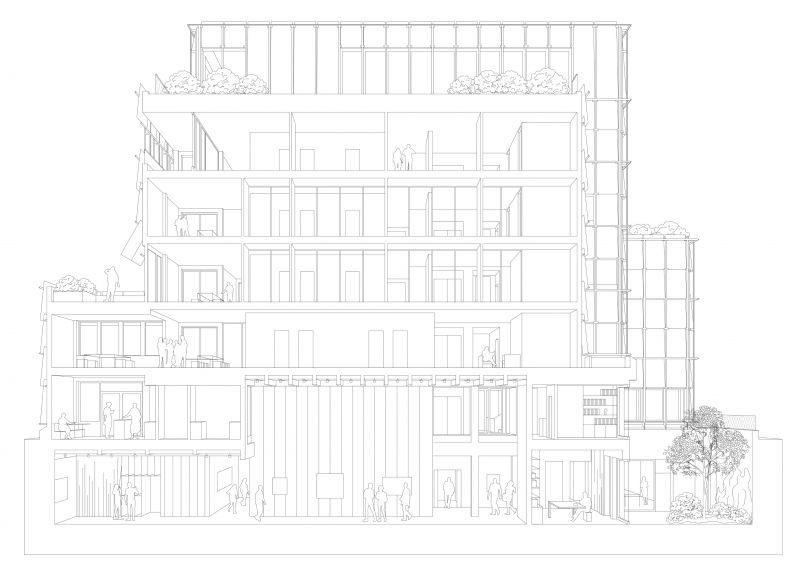
To protect the light-sensitive art on paper, the large, column-free exhibition halls are located on the ground floor and mainly in the basement. The concrete construction required for this is reflected in the façade design of the collection areas. A solid exposed concrete base with a few large openings symbolises the importance of protection, durability and value. In contrast, the components above are constructed from a lightweight timber structure. Following the logic of the construction, the thermal envelope is attached to the floor slabs as a plastered, lightweight timber frame construction made of curtain wall elements. The design of the façade is defined by a steel framework, which, filled with overlapping etched glass panes, gives the building a delicate appearance.
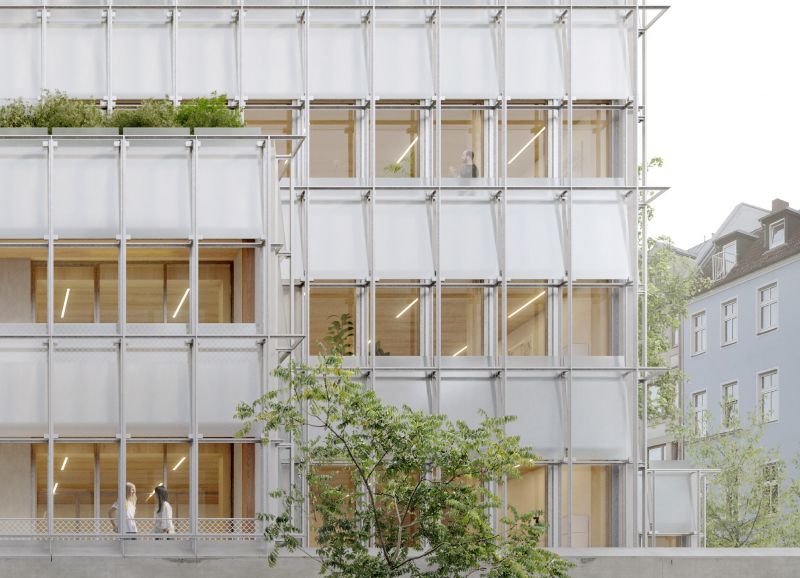
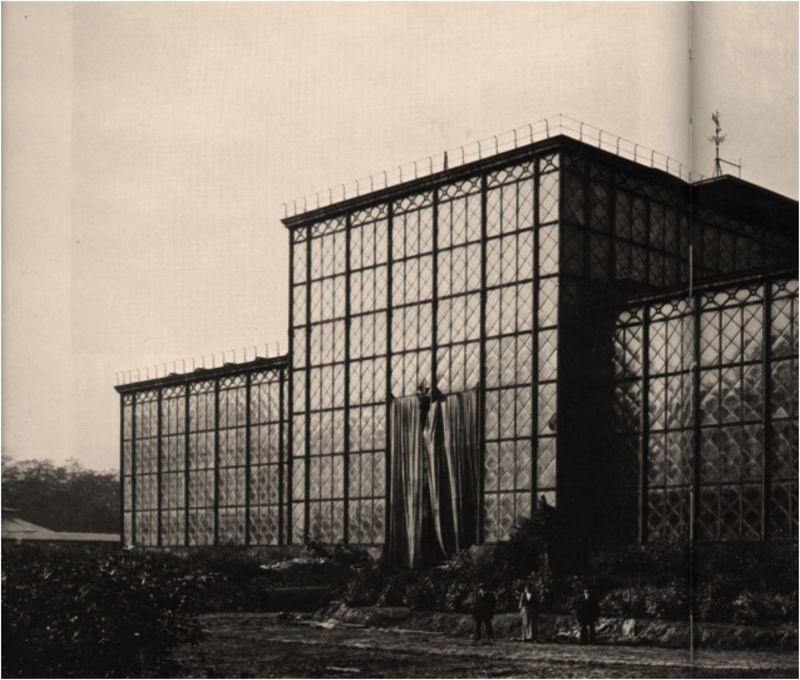
The choice of materials and the strict façade grid are reminiscent of the palm house, which served as an attraction in the royal botanical garden, which was redesigned at the beginning of the 20th century to become today's Kleistpark.
In addition to the resource-saving choice of materials for the hybrid timber construction, the sustainability concept is characterised by the minimisation of energy requirements through passive measures such as high-quality façades, natural ventilation and thermally activated storage masses. The self-regulating and robust indoor climate is additionally ensured by environmental heat thanks to geothermal energy and solar power generation. Fossil fuels are not used thanks to an individually developed conservation concept.